




What's Hot With Green Africa
The bewildering natural riches of many parts of the African continent are familiar – it has 10 percent of the world’s oil reserves, more than a third of known cobalt reserves as well as seams of aluminum, copper and iron ore. Diamonds, gold, various minerals; petroleum and wood... You name it, it is there.
Yet when it comes to energy, citizens in many African countries are underserved. In 2008, 589 million people had no access to electricity across the continent. Tapping into renewable energy, and developing sustainable projects, would transform the lives of millions of individuals.
So where are we seeing change? The potential for clean energy in Africa is huge and is arousing interest. The notion of wind energy has taken hold in Northern Africa along the Mediterranean coast. In Egypt, Morocco and Tunisia, wind farms have been installed and Nigeria, Kenya and Ethiopia are considering them. The South African government wants to develop solar, wind and nuclear power to reduce its reliance on coal.
The Japanese disaster stalled interest in nuclear power, but lately Nigerian has joined South Africa in moving ahead with (controversial) nuclear plans. China, meanwhile, is building three hydro-dams in Africa and plans to develop solar plants in 40 Africa countries.
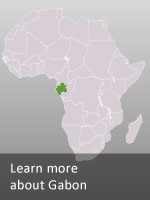
There are other reasons for Africans to care about green energy:climate change will affect them most. As the president of Gabon Ali Bongo Ondimba pointed out in an article in the Guardian two years ago, avoiding deforestation is a way to minimize its effects. Thus, 80% of Gabon is made up of tropical rainforest and the country has designated 11% of that as national parks. (This is also a good way to boost tourism).
On a more local level there are plenty of opportunities for green innovation. Erik Hersman, who blogs at whiteafrican.com suggests that Kenya should produce the unmanned aerial vehicles it needs for tracking poachers instead of importing them from other countries. Many other products could be manufactured at home rather than brought in from abroad.
Africa is rich in resources. But as Ondimba also observed, “Effective resource management is fundamental for realizing the full value of this global interest in our continent and its riches.” Right now, on a macro and a local level, it looks like that is happening. The conversations that are taking place online show that the will and the skills are there. Perhaps the hottest thing in green Africa right now is its most valuable resource -- a generation of young people who are excited about the future.


